





Ernie Williams and a sound that shaped the Capital Region
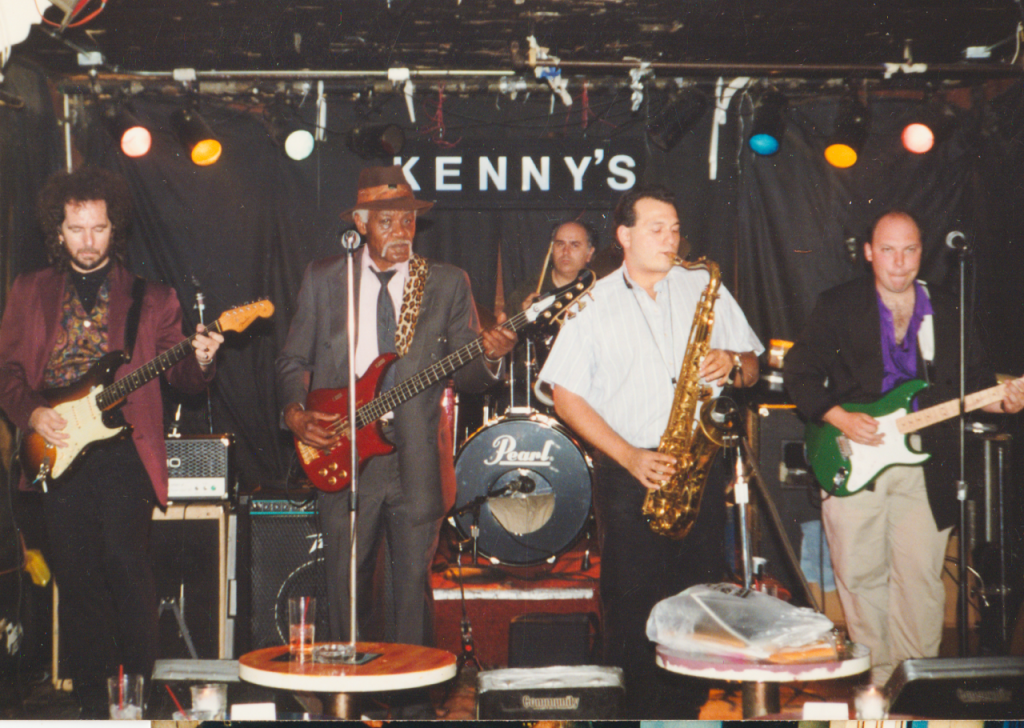
A legacy of music, mentorship, and generosity rooted in in perseverance and soul
Ernie Williams’ life followed the very arc of the blues he so powerfully embodied — a journey born of hardship, sustained by perseverance, and ultimately devoted to uplifting others through music. His story is not only one of personal triumph, but of a legacy that continues to resonate through the communities and musicians he inspired.
His influence helped shape the musical identity of the Capital Region, making his induction into the Capital Region Thomas Edison Hall of Fame class of 2026 not only fitting, but a lasting testament to a life devoted to music, service, and connection.
Born in Virginia in 1925, Williams taught himself to play guitar at just 13 years old while living in a shack on a plantation. Those early years were marked by scarcity and loss, but also by a profound connection to sound, rhythm, and storytelling. His longtime collaborator and bandmate Mark Emanatian reflected, “Ernie comes from the ‘20s and the ‘30s… country blues in Virginia, then soul blues, James Brown — all of that. Gospel was always there.” Music was not an escape for Ernie — it was a calling. “He wanted people to be happier when they left than when they got there.”
In the 1950s, he carried that voice north to Harlem, honing his craft on amateur nights at the legendary Apollo Theater, where he absorbed the tradition, discipline, and emotional depth of American blues. There, he developed a voice and style that were unmistakably his own. Bandmate and drummer Rocky Petrocelli described it simply: “He was just raw. He had his own style, his own sound. No rules with Ernie. He just played. We followed.”
By the ‘60s, Williams settled in Albany, where he would leave an indelible mark on the Capital Region’s cultural landscape. What followed was not just a career, but a decades-long commitment to the Capital Region that would define its blues and live music culture. His tireless work ethic, emotional honesty, and unmistakable presence earned him recognition as the area’s beloved “King of the Blues.” While his talent carried him far beyond the region — opening for legends like B.B. King and performing at iconic venues such as Boston’s House of Blues and Buddy Guy’s Legends in Chicago — Albany remained his artistic home and the heart of his mission.
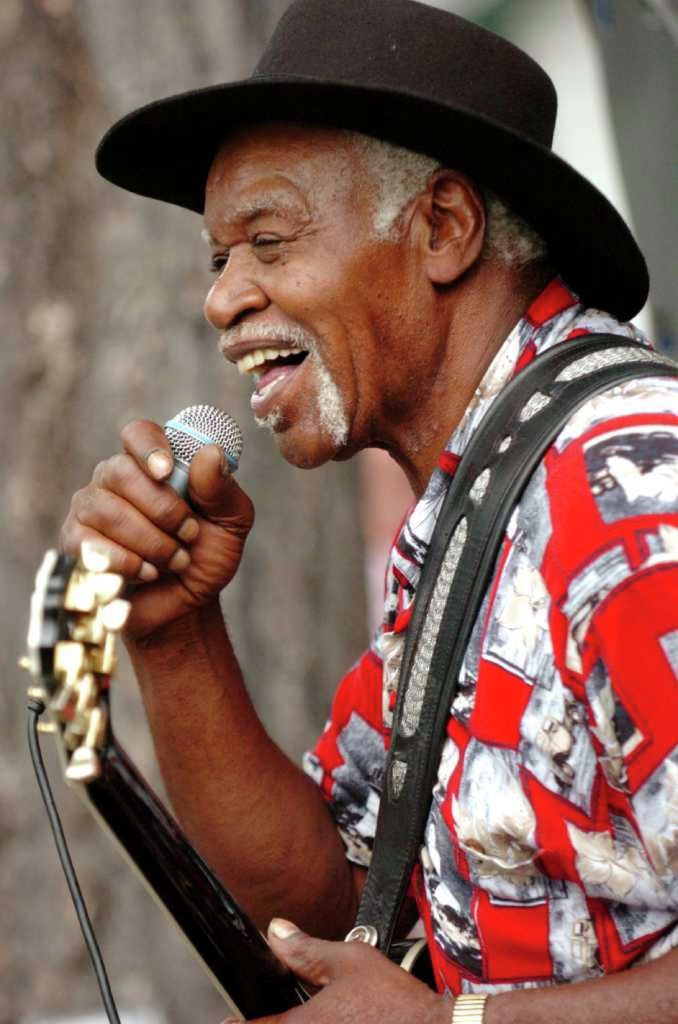
In 1990, Williams began a creative partnership with Emanatian, soon joined by Petrocelli and guitarist Joe Mele. Together they formed Ernie Williams and the Wildcats. Williams was clear about what they were building. “Ernie Williams and the Wildcats was a band,” Emanatian said. “He loved being in a band.” He led by example, treating music like honest labor. “Plumbers work every day. We’re working every day,” Williams told them. “Don’t you turn a job down unless you call me.”
As Emanatian put it, “For the Capital Region, what was accomplished by Ernie and the Wildcats was really remarkable — coming from where he came from and accomplishing so much.”
What followed was extraordinary. The band released four albums of original material written by Williams and Emanatian, recorded two live albums, and performed across 15 states, Washington, D.C., and Canada. From festivals and concert halls to roadhouses and coffee shops, their performances were marked by authenticity, joy, and deep connection.
As bandleader, later under the name The Ernie Williams Band, he led with boundless energy and generosity of spirit. Known for playing multiple gigs in a single day, Williams treated every performance as a shared celebration.
Petrocelli recalled, “He was a great entertainer. He knew how to move a crowd. It was very exciting.” Mele added, “He was reading the crowd,” able to reshape the same songs night after night, making every show feel new.
Williams’ artistry carried remarkable emotional range. Emanatian described one of his signature songs by saying, “‘So Long’ is his finest vocal performance… far and away. He sang like he meant it.” That depth was paired with humor and warmth. “He could be the silliest, funniest guy,” Emanatian said, “and he could also bring anger, sorrow, happiness — all of it. Ernie always brought all of that.”
No matter his condition, his commitment never wavered. Petrocelli remembered, “No matter how tired or sick he was, he’d throw his guitar on his back, and you would see the real Ernie.”
Just as defining as his music was his generosity. Williams believed success carried responsibility. “You can do all of this while doing charity,” Emanatian said. “That was not optional for Ernie.” He regularly performed benefit concerts, raising thousands of dollars for organizations such as the Hunger Action Network and the Regional Food Bank of Northeastern New York. He also devoted himself to education, bringing blues into schools across five states. “We never turned down a school that didn’t have money,” Emanatian recalled. “Ernie and everybody in this band had a big heart.”
Williams’ impact on the local music community was profound. “Ernie broke down the doors,” Emanatian said. “He really wanted everyone to do good.” Young musicians were welcomed onstage, encouraged, and mentored. The band itself became a family. “We spent more time in a van than we did with our own families,” Petrocelli said. That sense of belonging extended to audiences as well. “He walked into places and it was like Elvis walked in,” Petrocelli recalled. “People reacted to him everywhere.” Mele put it even more simply: “He had more charisma and more affection from people than anybody I ever played with.”
Despite the recognition — including the Key to the City of Albany — Williams remained deeply grateful. “I’d be sitting in the van with him, and he’d talk about growing up on a plantation,” Mele said, “and then years later, there he is getting the key to the city. That blew my mind.” Watching him accept that honor was unforgettable. “To see him being that grateful and happy,” Mele said, “I just can’t explain how amazing that was.”
Williams passed away in March 2012 at the age of 87. His final performances returned him to gospel, the music that had always lived at his core. Yet his presence remains unmistakable in the Capital Region. As Petrocelli reflected, “What music’s supposed to do, especially blues, is wash away your troubles. And that’s what people who witnessed Ernie will remember.”
Emanatian perhaps captured it best when he said, “You die once, and then you die when the last person who remembers you dies. I want that to be way in the distant future for Ernie.” Through his music, his generosity, and the countless lives he touched, Ernie Williams ensured that memory would endure, making his place in the Capital Region Thomas Edison Hall of Fame not only fitting, but inevitable.
The inductee ceremony 7 p.m. Monday, March 23 is open to the public and includes musical performances, a social hour, videos on the musical career of each inductee and acceptance speeches. Tickets are on sale now through the Box Office at Proctors in-person, via phone at (518) 346-6204 from 12-6 p.m. Tuesday-Saturday or online by visiting atuph.org.
Universal Preservation Hall and Capital Region Thomas Edison Music Hall of Fame are a part of Proctors Collaborative. For more information on the Hall of Fame visit theeddiesawards.com.
The Van Dyck’s enduring song
From 1947 to its 2026 Hall of Fame induction, generations of owners built a Schenectady institution where music, hospitality, and community became one. In the heart of the Stockade Historic District in Schenectady stands a brick building that has carried the sound of American music since 1947. In March, The... Read more » ... Read More
Heavenly Echoes Gospel Band Enters the Hall of Fame
For more than half a century, the Capital Region ensemble has uplifted audiences through faith, harmony, and community. For more than half a century, the Heavenly Echoes Gospel Band has been a constant, uplifting presence in the Capital Region — carrying the sound of gospel tradition from church basements to... Read more » ... Read More
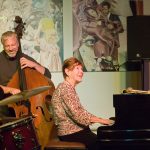
Lee Shaw shaped the sound of the Capital Region
Pianist, educator, and community builder whose artistry and generosity defined generations of jazz in Albany. Lee Shaw’s induction into the Capital Region Thomas Edison Music Hall of Fame at Universal Preservation Hall is less about a single moment of recognition than it is about a lifetime of devotion. Her life... Read more » ... Read More
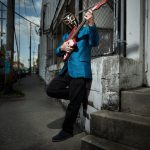
Eddie Angel’s long, strange, joyful trip to the Thomas Edison Music Hall of Fame
From early Capital Region gigs to masked guitar instrumentals and worldwide acclaim, Angel’s career defied convention Eddie Angel’s induction into the Capital Region Thomas Edison Music Hall of Fame at Universal Preservation Hall honors a career that began modestly in Rensselaer, and grew into an international legacy built on persistence,... Read more » ... Read More
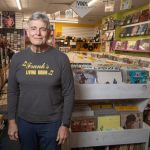
On Quail Street, the records still spin
Last Vestige Records founder Jim Furlong earns Hall of Fame honors for a lifetime devoted to music and community ALBANY — On Quail Street, tucked into a stretch of Albany that feels lived-in and stubbornly real, there’s a doorway that has pulled generations of music lovers inside. Behind it is... Read more » ... Read More