






Celebrating the history of Capital Repertory Theatre
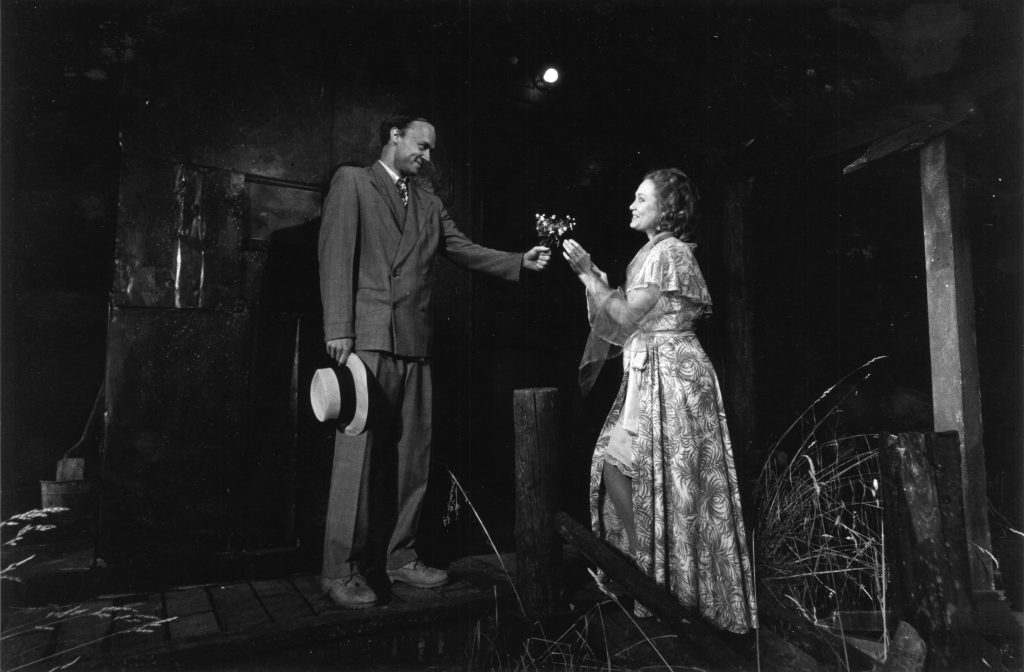
Court Miller and Janni Brenn, in “A Streetcar Named Desire.” Photo by Bert Castallanos
Why does theREP Exist in Albany?
Capital Repertory Theatre might seem like it has always been here. But where did it come from? In faded record boxes are blurry copies of the original articles of incorporation, dating from before its 1980 debut and signed by unfamiliar names. Who were these people, this “League of Theatre Artists” as they called themselves at the time? What drove them to create an institution that continues to innovate and inspire us today?
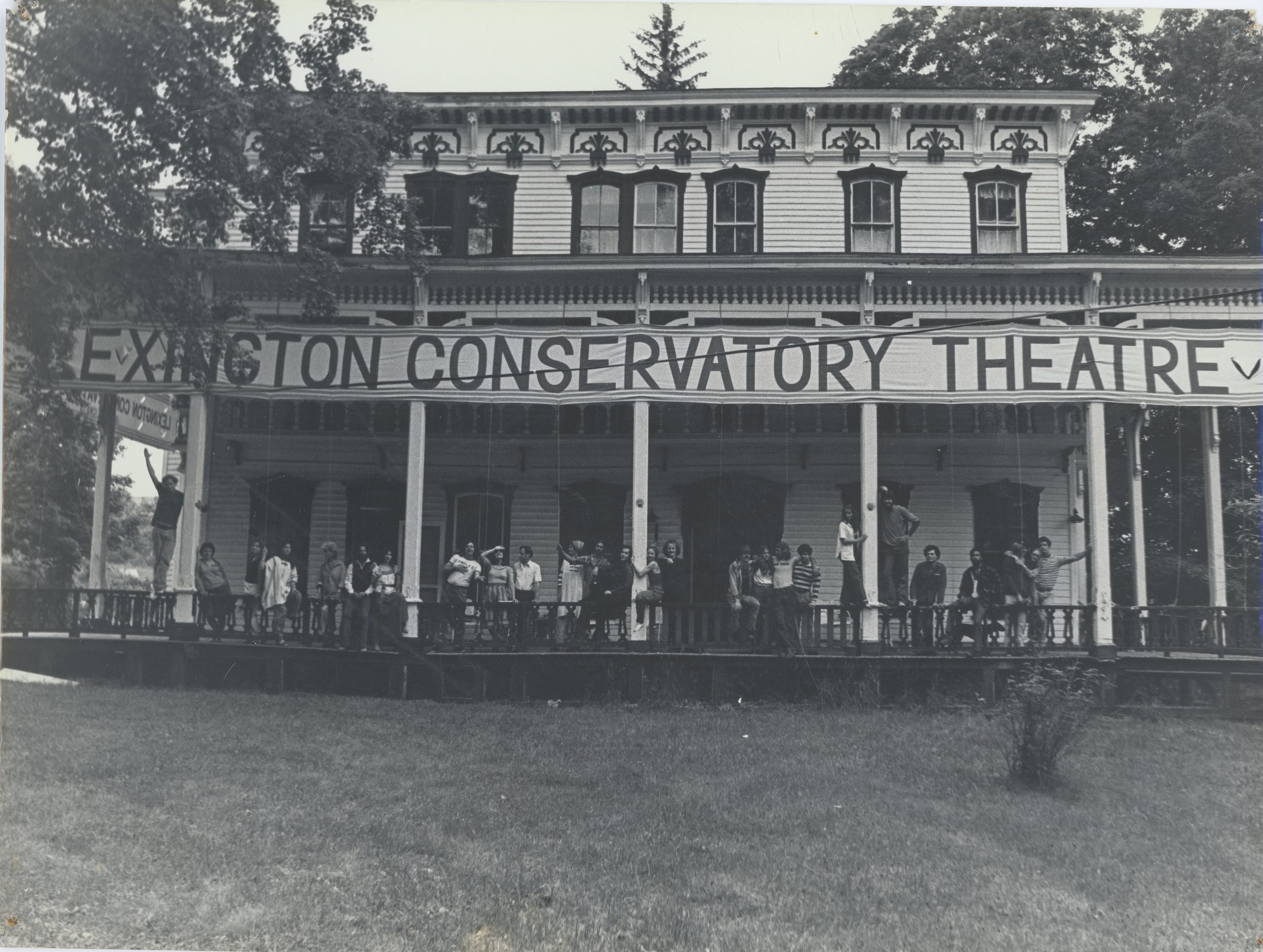
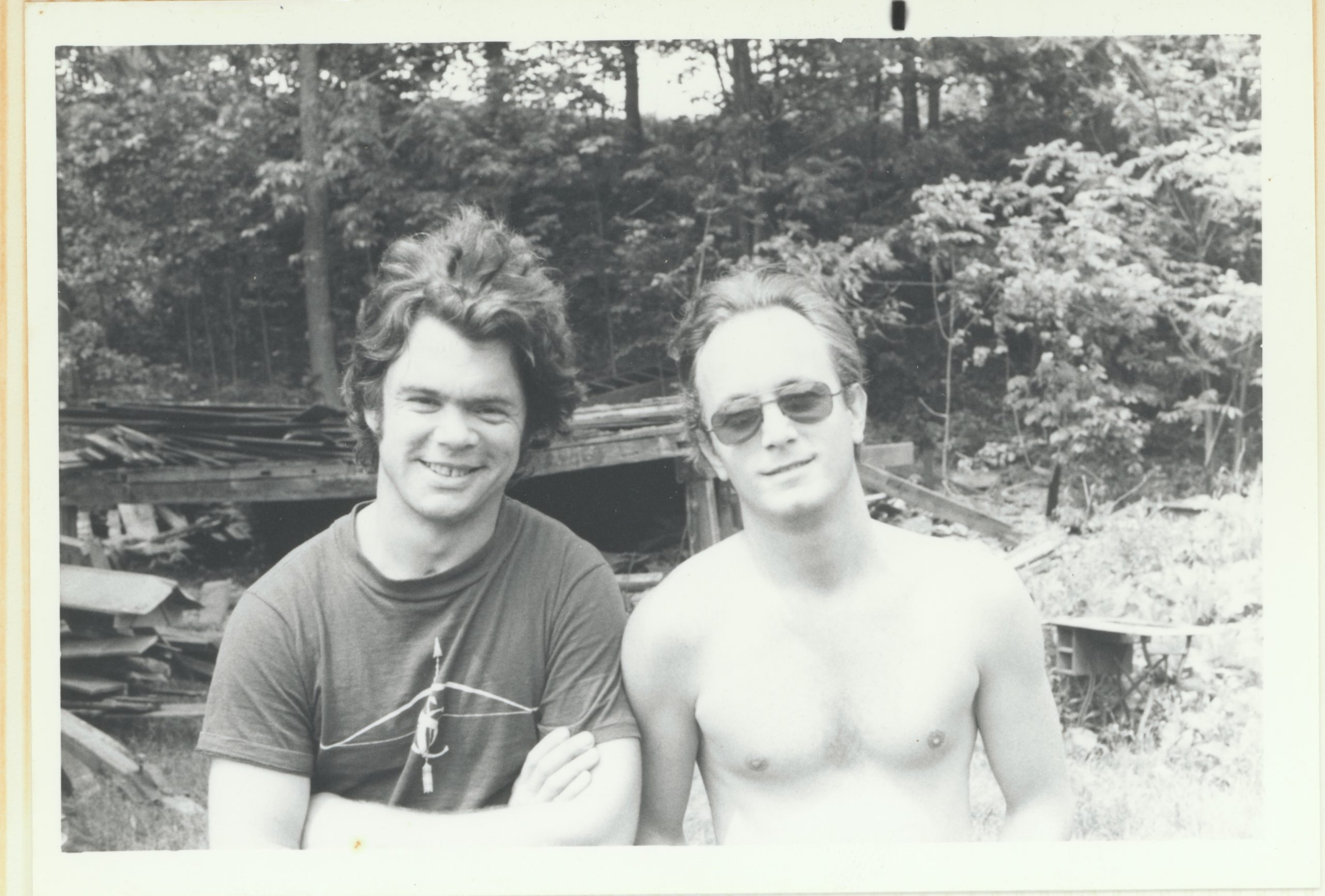
The story begins in Greene County. In 1976, a group of professional artists — friends from college at University of California, Irvine, or from acting classes and productions in New York City — formed Lexington Conservatory Theatre in a sleepy Catskill hamlet, at an old hotel turned summer camp. Michael Van Landingham was the executive director, a man with an ambitious vision and a knack for sussing out people’s hidden talents. Alongside him was playwright Oakley Hall III, the charismatic son of a novelist, and the company’s founding artistic director. And there were many others: Bruce Bouchard, Sofia Landon, Michael Hume, Stephen Nisbet, Kate Kelly, and Laralu Smith.
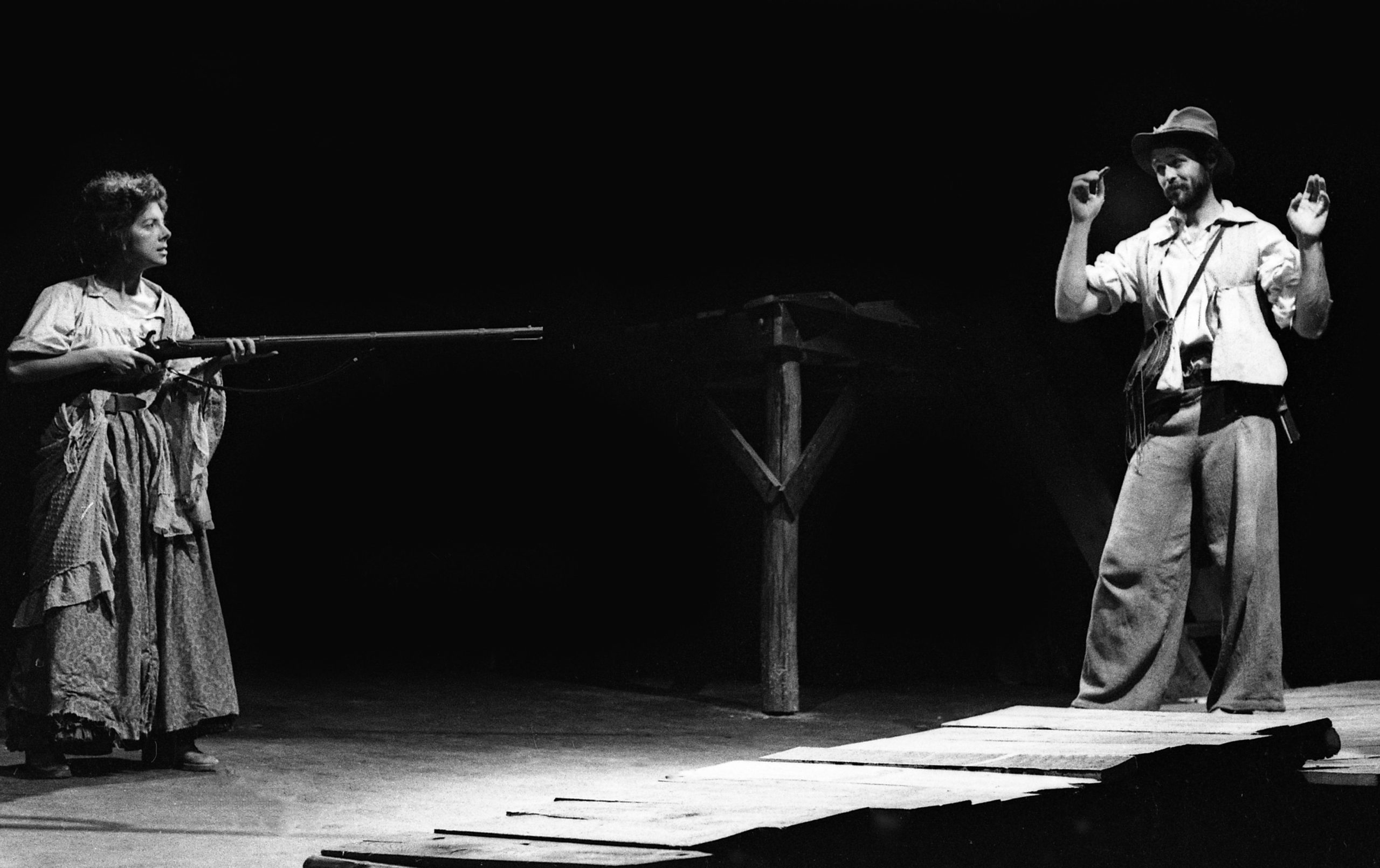
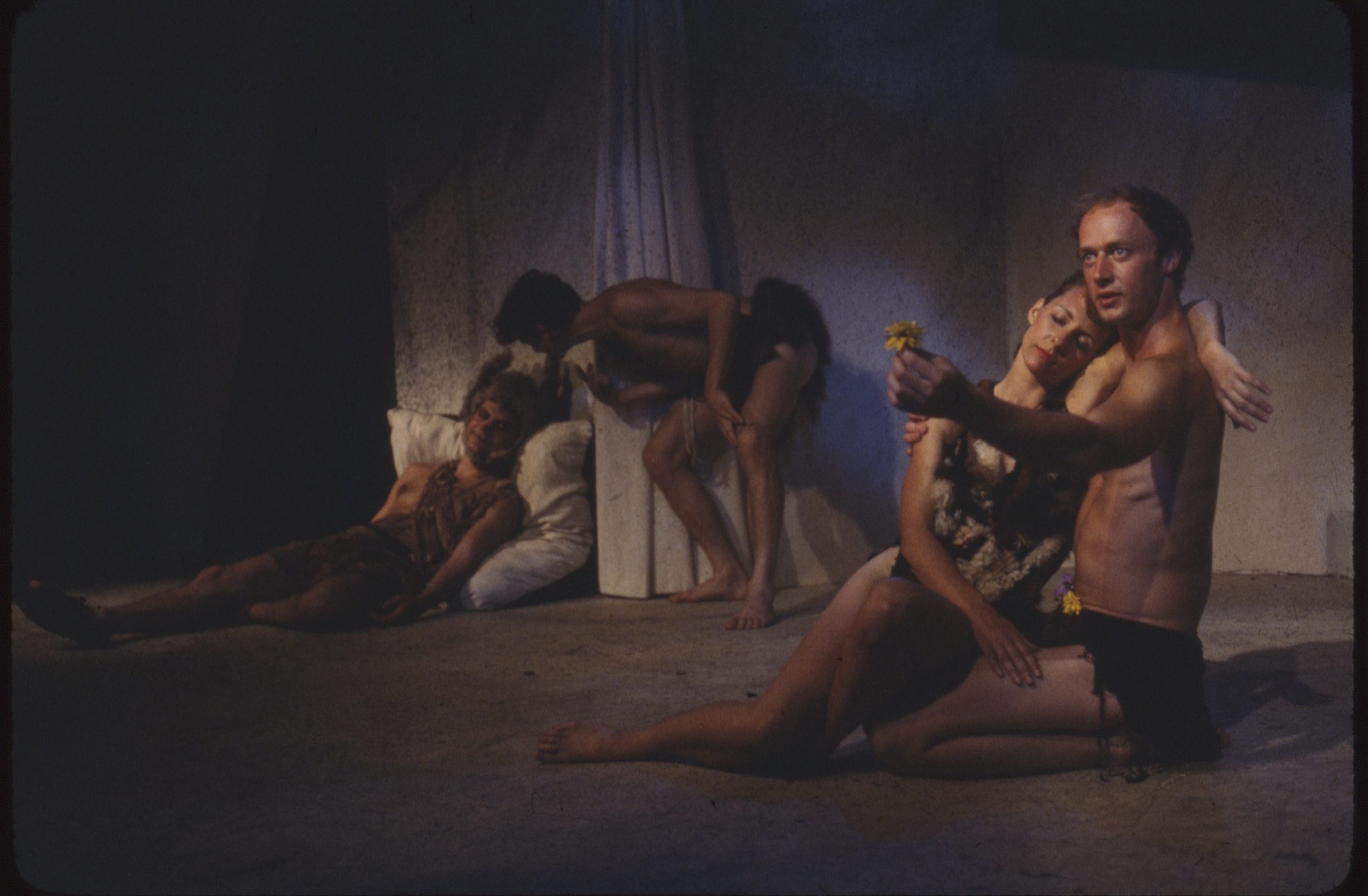
Officially, they were Equity summer stock. But LCT operated more like a commune. Their plays were daring. Hall pushed them to be edgy and raw, with his own horrific adaptation of “Frankenstein,” blood-soaked productions like the John Ford classic “Tis Pity Shee’s a Whore,” and his final masterpiece “Grinder’s Stand.” A Jacobean-style tragedy written in verse, “Grinder’s Stand” explored the life and death of Meriwether Lewis. It fused classic form with Americana, probing the country’s founding mythology and presaging “Hamilton” by decades.
LCT grew to include more than 100 artists who lived and worked on the campus throughout the summer. Over five years, they produced 30 plays and dozens of workshop readings of major new playwrights. Critics and audiences came from New York City and Albany. The company transferred shows to Off-Off-Broadway. They were on the rise.
Then, on July 17, 1978, Hall fell off a bridge and into the Schoharie Creek, suffering a traumatic brain injury. The company was devastated. Over the next several years, they hoped that Hall would recover and resume his career, but he was unable to. His journey was later told in an acclaimed documentary, “The Loss of Nameless Things.” It was broadcast on PBS in 2006.
Van Landingham, seeking a stable, long-term home for his growing organization, turned to Albany. The Capital Repertory Company debuted in 1979 with a multi-day event on Lark Street. A year later, the company produced “The Tavern” at The Egg. But Van Landingham’s health was failing. Finances were tight, and Hall had not been able to resume his artistic leadership. The summer of 1980 turned out to be LCT’s last in Lexington, and organization officially moved to Albany and changed its name. An initial season at Page Hall that winter was well-received but not financially successful. Six months later, Van Landingham resigned. The company was going to fold.
Things changed quickly. Founding company member Bruce Bouchard stepped in, alongside director Peter Clough. Their pitch to Mayor Corning and other civic leaders galvanized support, and in just a few months the Market Theatre at 111 North Pearl Street was born, ushering in a new era. But while theREP found a path forward, the company of artists did not. The economics were too different; payroll and living expenses made a standing, resident company unfeasible. Capital Repertory Company became Capital Repertory Theatre.
Down in Lexington stands an iron bridge across the Schoharie Creek, with a road leading up to a Dutch barn. Inside is a 100-seat theatre. Graffiti from decades ago decorates the lighting booth and dressing rooms. Though the surviving company members are scattered across the country, their work still resonates, from Greene County to theREP’s new home at 251 North Pearl Street, and beyond.
This summer marks the 50th anniversary of the theatre’s 1976 origins, with a multi-year archival project to discover and preserve this history.

Marking 266 Years of Live Theatre in Albany
Written by Bennett Liebman, boardmember at theREP The year 2026 marks a major transition in the history of live theatre in Albany. It is the first year without Maggie Mancinelli-Cahill, whose remarkable 30-year tenure at Capital Repertory Theatre ended in 2025. It also marks Miriam Weisfeld’s first full year as... Read more » ... Read More

A season about freedom, connection, and community at theREP
At Capital Repertory Theatre, the 2026–27 season comes into focus not as a collection of individual titles, but as a unified exploration of how people live, choose, and connect. For Artistic Director Miriam Weisfeld, the shape of a season doesn’t always reveal itself right away. “You know it’s so funny.... Read more » ... Read More

Friendship is the secret ingredient in “Mystic Pizza” at Capital Repertory Theatre
Before the musical launches its national tour, Albany audiences can experience a heartfelt story powered by the chemistry of its three leading women Some stories endure because they remind us that life’s biggest moments are often shared around ordinary tables, during everyday conversations, and with friends who become family. That’s... Read more » ... Read More

Summer Studio 2026
Headshots Improv Workshop with BTTUNY Dance Rehearsal 7/24 Showcase 7/31 ... Read More

“Mystic Pizza” serves an ’80s-fueled transformation at Capital Repertory Theatre
Hundreds of costumes and split-second changes power the magic behind the nostalgic new musical. Prim, polished, perfect costumes — a staple of every Capital Repertory Theatre production — take months of work behind the scenes. They transform characters and move audiences through time and space. When “Mystic Pizza” takes over... Read more » ... Read More